By ANUPRESS Team · Last reviewed August 2026 · 11 min read
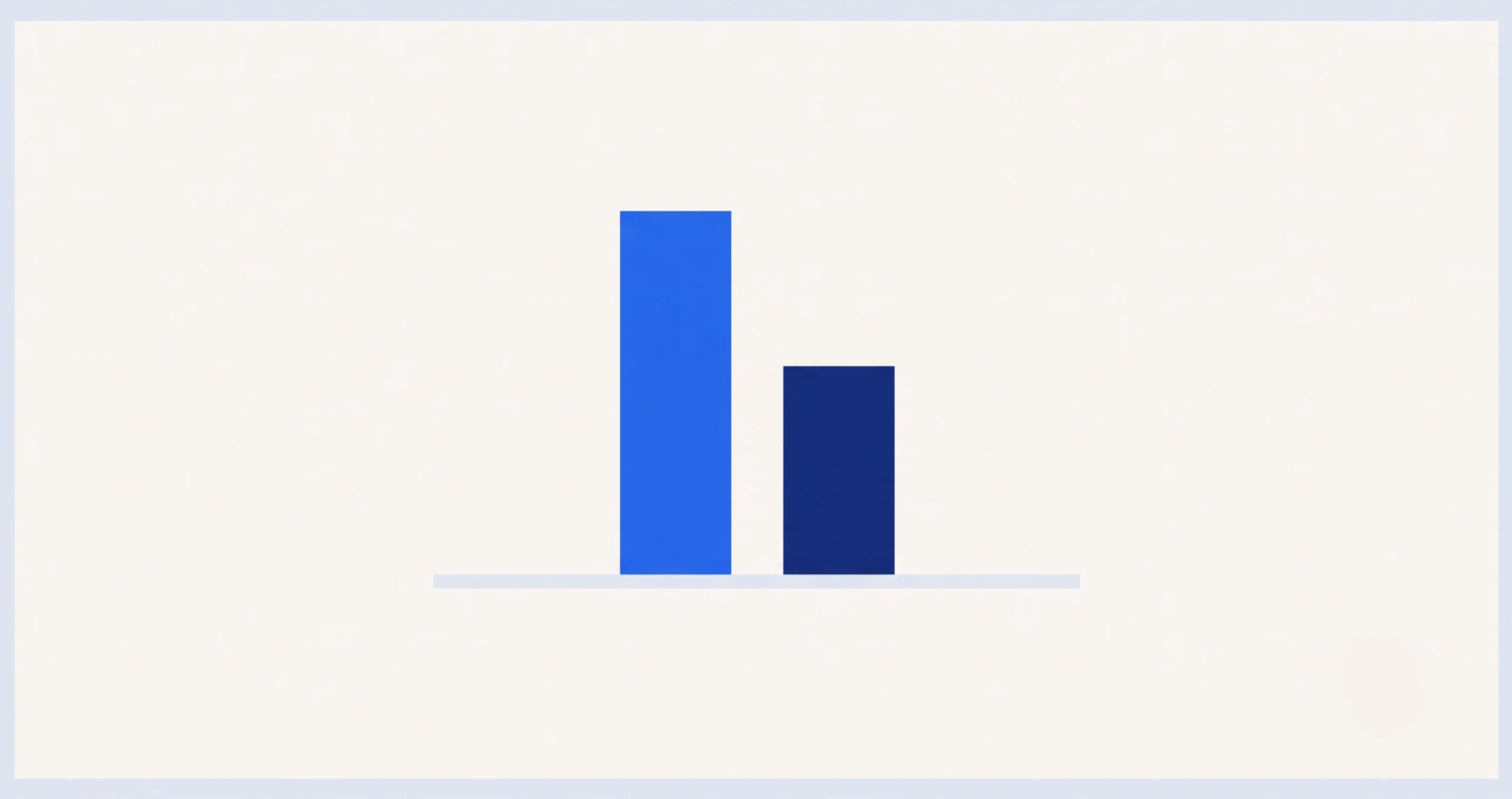
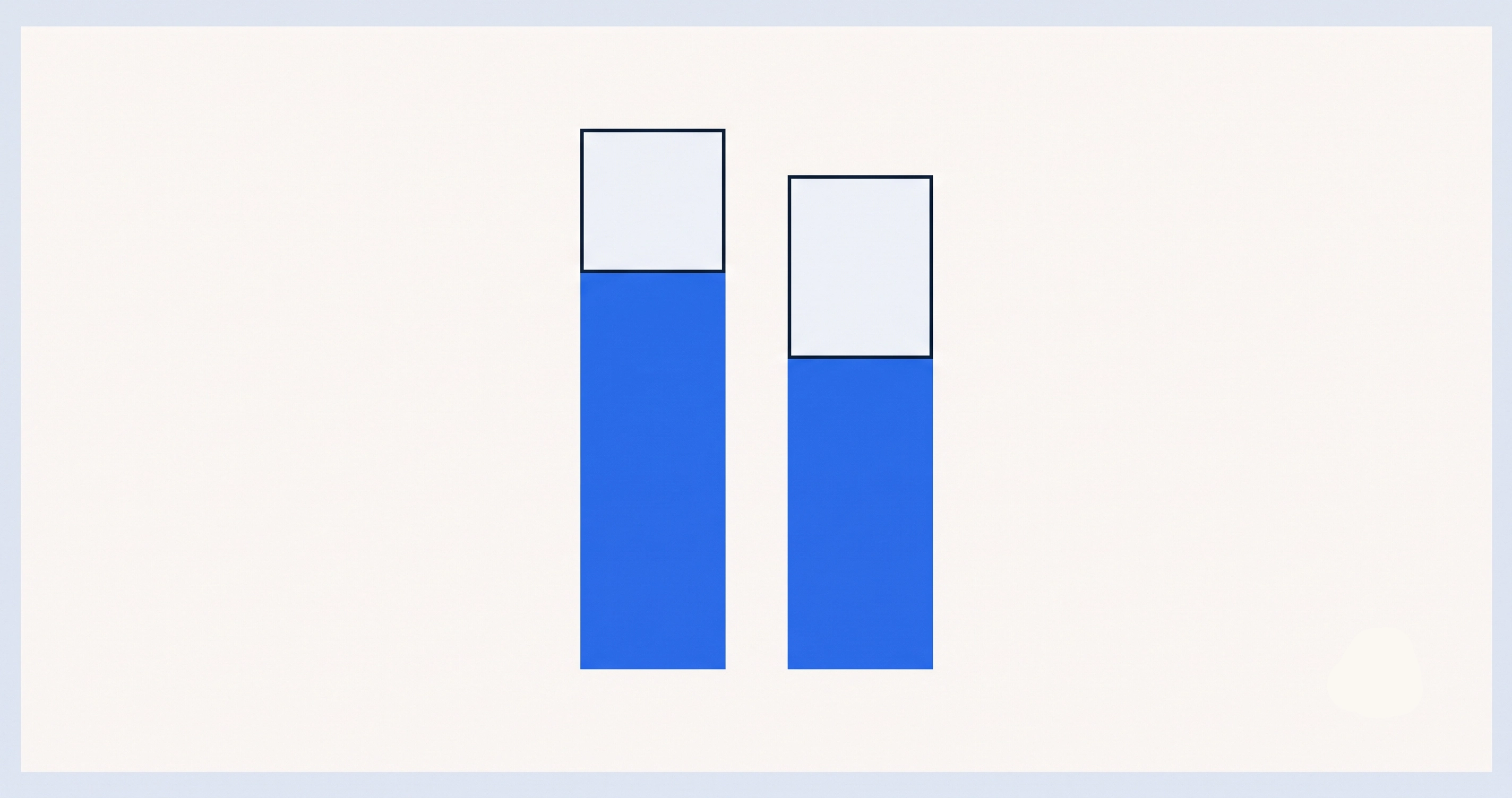
UK vs Germany take-home pay at €60,000 gross, single, no children, no church tax: the UK nets roughly €47,100 equivalent, Germany nets roughly €37,600, a gap of about €9,500. The difference isn’t really about tax rates, both countries take a broadly similar income-tax bite. It’s Germany’s mandatory social insurance, which runs to nearly 22% of gross pay before tax even enters the picture, against the UK’s National Insurance at under 6%.
Every figure below came from running the exact same gross salary through our own UK take-home pay calculator and German salary calculator, not a hand-built spreadsheet, so you can rerun either side yourself with your actual numbers and see where the assumptions start to matter for you specifically.
On this page
UK vs Germany take-home pay: the headline numbers
Any honest UK vs Germany take-home pay comparison has to start from the same gross figure: €60,000, converted to £51,402 for the UK side at today’s exchange rate (€1 = £0.8567), so both sides start from genuinely equal purchasing power rather than an arbitrary round number in two different currencies.
United Kingdom — £51,402 gross
Germany — €60,000 gross
£40,371 converts to roughly €47,124 at today’s rate, which puts the UK about €9,500 ahead at this specific salary, marital status and region. That gap is bigger than most people expect from two countries with broadly similar headline tax rates, and the reason why is entirely in the next section.
Why the gap: it isn’t really about tax
Income tax alone is actually closer between the two countries than the final numbers suggest: the UK took £7,993 (≈€9,330) in Income Tax, Germany took €9,328 in Lohnsteuer, essentially identical. The entire gap comes from the second deduction each country charges on top.
| UK: National Insurance | Germany: Social insurance | |
|---|---|---|
| Annual cost at this salary | £3,039 | €13,050 |
| As a share of gross | 5.9% | 21.8% |
| What it’s one line for | State Pension qualifying years, contributory benefits | Pension, health insurance, unemployment, long-term care, all four bundled |
That’s the whole story in one comparison. UK National Insurance is a relatively narrow contribution mostly tied to state pension entitlement. German social insurance is four separate mandatory schemes rolled into one deduction line, and one of those four, statutory health insurance, is doing a job the UK funds a completely different way, through general taxation into the NHS rather than a payslip line at all.
UK breakdown at £51,402
| Line | Annual |
|---|---|
| Gross salary | £51,402 |
| Income Tax | −£7,993 |
| National Insurance | −£3,039 |
| Take-home | £40,371 / year (£3,364 / month) |
Assumes rest-of-UK tax bands (not Scotland), no student loan, no pension contribution, 2026/27 rates.
Germany breakdown at €60,000
| Line | Annual |
|---|---|
| Gross salary | €60,000 |
| Lohnsteuer (income tax) | −€9,328 |
| Rentenversicherung (pension) | −€5,580 |
| Krankenversicherung (health) | −€5,250 |
| Arbeitslosenversicherung (unemployment) | −€780 |
| Pflegeversicherung (long-term care) | −€1,440 |
| Take-home | €37,622 / year (€3,135.17 / month) |
Assumes Steuerklasse I (single), no children, not a church member, average Zusatzbeitrag, any state (church tax off means state doesn’t affect the result here).
Run your own numbers on both sides
Steuerklasse, marital status, children, church tax, student loan, pension contributions, all of it changes the real answer. Both calculators show every line, cited to an official source, not just a final figure.
UK take-home pay calculator German salary calculatorWhat Germany’s higher contributions actually buy
A straight UK vs Germany take-home pay comparison makes the UK look like the clear winner, and at this salary, on take-home pay alone, it is. But the €5,250 a year going into Krankenversicherung isn’t a tax in the sense NI is, it’s a direct premium for comprehensive statutory health insurance, and it functions completely differently from how UK healthcare is funded.
The Commonwealth Fund’s international comparison lays out the structural difference clearly: the NHS is financed through general taxation as a single-payer system, while Germany runs statutory health insurance as its own income-based contribution, separate from income tax entirely, covering close to 90% of the population.
A UK earner’s NI contribution funds the state pension and a narrower set of contributory benefits; healthcare is already paid for through the Income Tax half of their payslip instead, indirectly, before National Insurance even enters the picture. A German earner’s Krankenversicherung line is that healthcare payment, made explicitly and separately.
The two systems aren’t offering the same thing for a different price, they’re bundling the bill differently, which is exactly why a straight UK vs Germany take-home pay comparison only tells half the story.
The other three German contributions have less ambiguous direct value: Rentenversicherung builds a state pension entitlement roughly analogous to UK NI’s pension-qualifying-year function but at a much higher contribution rate and correspondingly higher eventual payout, Arbeitslosenversicherung is unemployment insurance the UK doesn’t charge for through payroll at all, and Pflegeversicherung, long-term care insurance, has no real UK payroll equivalent, since social care in the UK is funded and means-tested through an entirely separate system.
The assumptions that would change this
Biggest levers on each side
- Marital status (Germany): a married higher earner on Steuerklasse III pays noticeably less Lohnsteuer than the Steuerklasse I figure here; the lower-earning spouse on Steuerklasse V pays more, taxed as a household rather than symmetrically
- Church tax (Germany): registered church members pay an extra 8-9% of their income tax bill on top, not 8-9% of salary
- Scotland (UK): Scottish bands would push this specific salary into the 42% Higher band earlier than rest-of-UK’s 40%, narrowing the gap somewhat
- Student loan (UK): a Plan 2 loan alone would add roughly £1,980 a year in repayments at this salary, closing part of the headline gap
Frequently asked questions
Is UK vs Germany take-home pay always higher in the UK?
At this specific salary, single, no children, rest-of-UK bands, yes, by a clear margin. The gap narrows or can reverse at different income levels, since Germany’s social insurance contributions are capped at a ceiling (the Beitragsbemessungsgrenze) while UK Income Tax keeps climbing uncapped through the higher and additional rate bands.
Does this include employer contributions?
No, both figures are pure employee-side take-home pay. Employers in both countries pay substantial additional contributions on top that never appear on the employee’s payslip at all, roughly matching the employee’s social insurance share in Germany, and 15% above £5,000 in employer National Insurance in the UK.
Why is Germany’s income tax so close to the UK’s if Germany is known as a high-tax country?
Germany’s reputation for high deductions is real, it just isn’t primarily about income tax rates. It’s the mandatory, uncapped-feeling social insurance stack layered on top, which the UK simply doesn’t charge at the same rate.
Would this comparison hold at a much higher salary, like €120,000?
No. Germany’s social insurance contributions stop growing past certain income ceilings, while the UK’s Income Tax keeps rising through 40% and 45% with no equivalent cap, and the Personal Allowance taper between £100,000 and £125,140 pushes the UK’s marginal rate above 60%. The gap in this article is specific to €60,000 and should not be assumed to hold at other salaries.
Exchange rate: €1 = £0.8567, a snapshot as of early August 2026; rerun the calculators for a current rate. This page compares take-home pay, not overall cost of living or quality of life. Last reviewed August 2026. See how we review and our affiliate disclosure.