By ANUPRESS Team · Last reviewed August 2026 · 10 min read
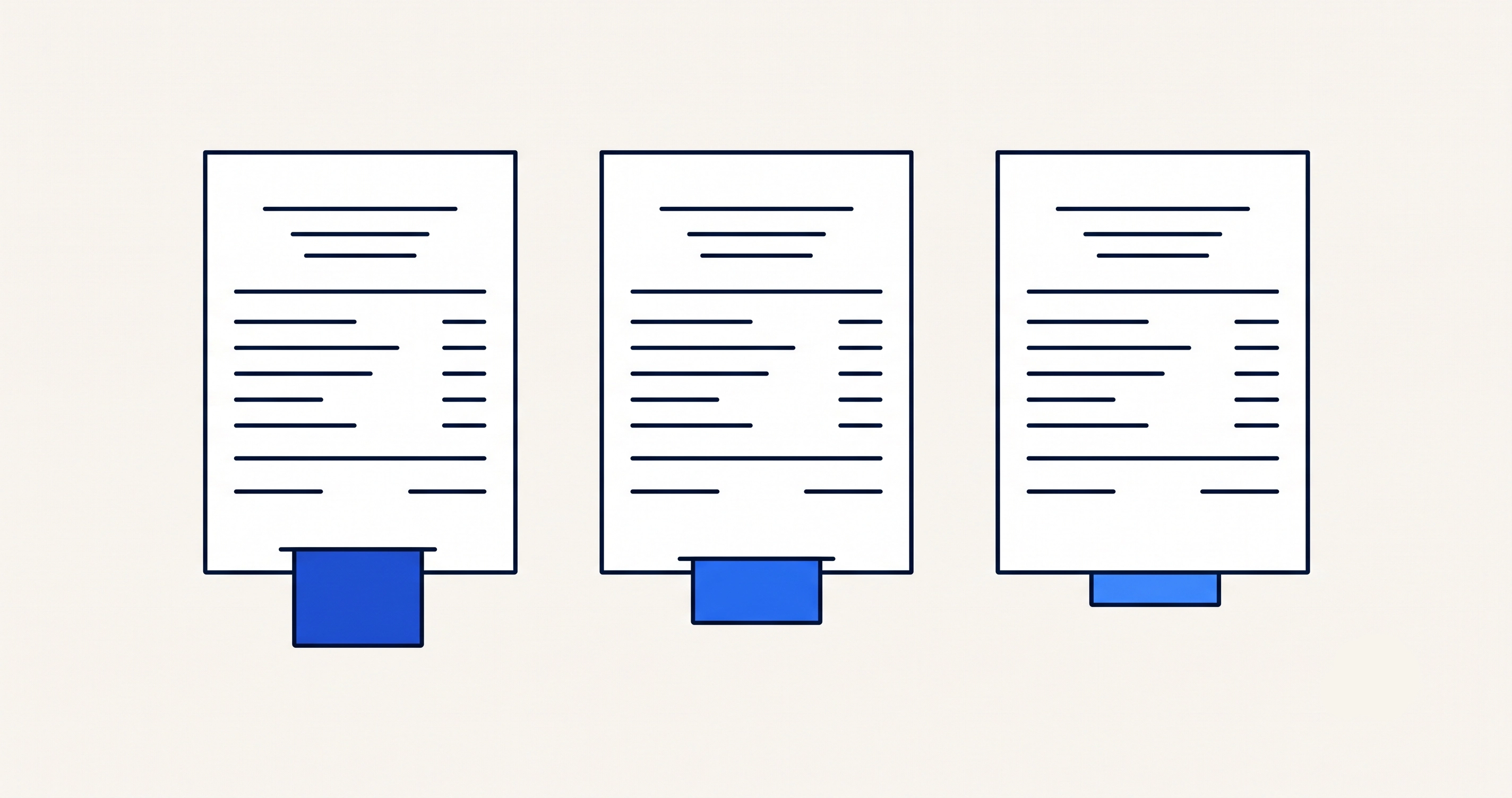
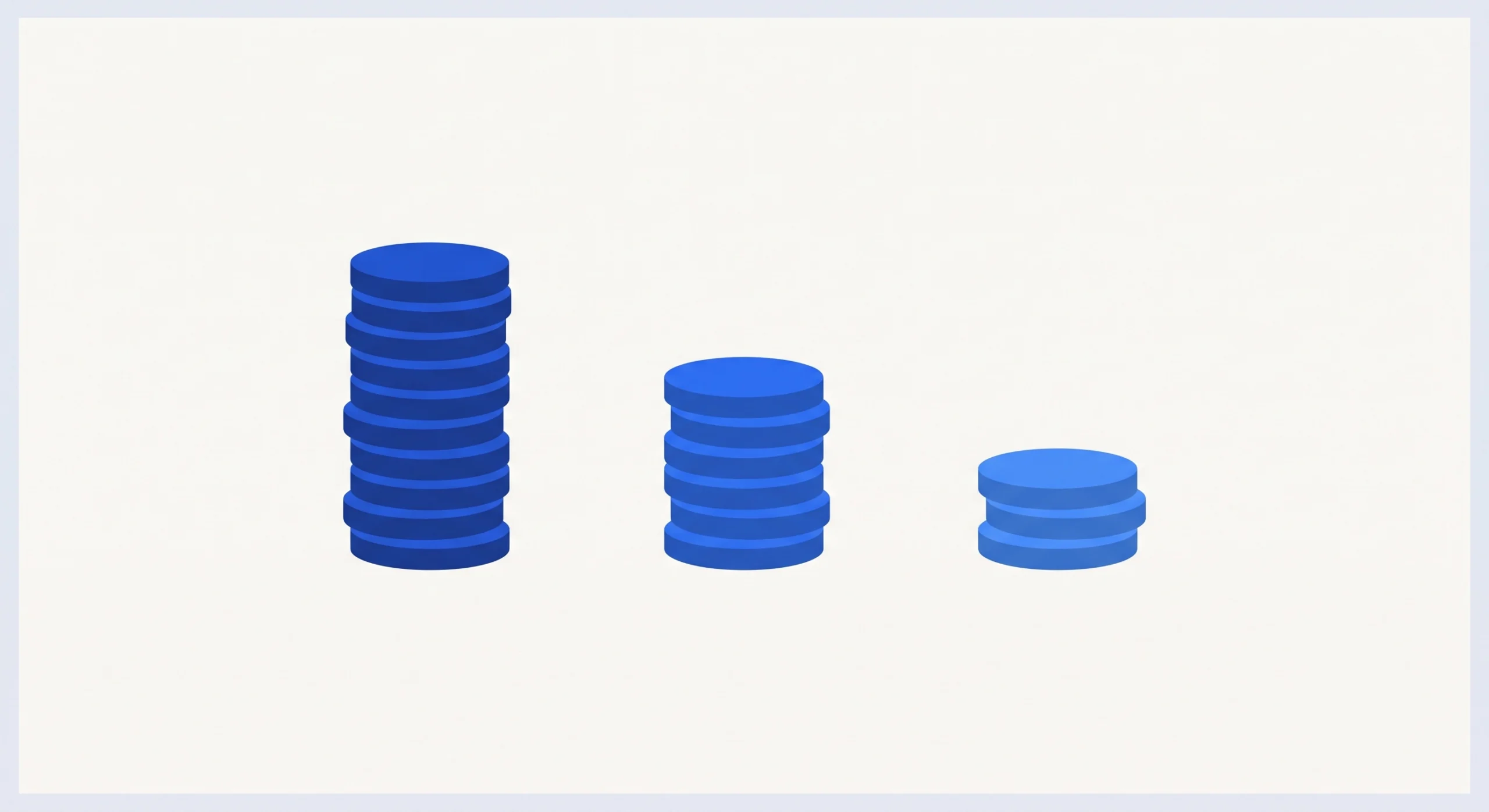
Tipping etiquette by region, on a good sit-down restaurant meal, is where the differences show up most clearly: 18–20% in the US, close to socially mandatory. 10–12.5% in the UK, genuinely optional and often already added as a service charge. 5–10% across most of continental Europe, optional and frequently unnecessary because service is already priced in. The percentage gap isn’t random, it maps directly onto how each country pays its service workers, which is also why over-tipping in Europe doesn’t buy extra goodwill the way it might feel like it should.
On this page
Why the percentages differ so much
One fact explains most of the gap: in the US, federal law still allows tipped workers to be paid as little as $2.13 an hour, a rate unchanged since 1991, with tips expected to make up the rest. In the UK, every hospitality worker gets the full National Living Wage, £12.71 an hour for workers 21 and over as of April 2026, regardless of tips. Most of continental Europe works the same way as the UK, a full wage first, tips as a genuine bonus on top.
Tipping etiquette that ignores this difference is exactly how well-meaning travelers end up either offending nobody but overpaying badly, or under-tipping somewhere tips are actually essential income.
United States
Despite constant headlines about “tipping fatigue,” core US tipping etiquette at sit-down restaurants hasn’t moved much. Processor data from Square and Toast puts the actual median card tip at full-service restaurants at 19.4%, essentially flat against pre-2020 levels.
45% of Americans report tipping between 20% and 22% specifically at sit-down meals. The fatigue is real, but it’s concentrated somewhere else.
| Situation | Typical tip |
|---|---|
| Sit-down restaurant | 18–20% of the pre-tax bill |
| Counter service / takeout | 0–15%, genuinely optional despite screen prompts |
| Bartender | $1–2 per drink, or 15–20% of the tab |
| Taxi / rideshare | 15–20% |
| Hairdresser / barber | 18–20% |
| Hotel housekeeping | $2–5 per night, cash (most Americans skip this) |
| Coffee shop counter | Optional; most Americans don’t |
The real fight is happening at the counter, not the table. Screens at bakeries, coffee shops and quick-service counters increasingly default to 18–35% suggested tips for what used to be a no-tip transaction, and that’s specifically what’s driving the backlash: one 2026 survey found 38% of Americans hold a negative view of tipping generally and 40% actively avoid businesses with aggressive tip prompts. Full-service sit-down tipping remains stable underneath all of that noise.
United Kingdom
UK tipping etiquette is genuinely optional in a way American tipping isn’t, precisely because the minimum wage already covers a full living wage regardless of tips. The one step that actually matters: check your bill before adding anything.
The one question that matters
Many UK restaurants add a discretionary 12.5% service charge to the bill automatically, especially in London and for larger groups. If it’s there, that is your tip, no need to add more. If it isn’t, 10–12.5% for good service is the norm. You’re always entitled to ask for a discretionary service charge to be removed if the service was genuinely poor.
| Situation | Typical tip |
|---|---|
| Restaurant, no service charge on bill | 10–12.5% |
| Restaurant, service charge already added | Nothing further needed |
| Pub, ordering at the bar | Not expected at all |
| Taxi / black cab | Round up, or 10% for longer trips |
| Hairdresser / barber | £2–5 |
| Hotel porter | £1–2 per bag |
The legal backdrop changed meaningfully in 2024: under the Employment (Allocation of Tips) Act, employers are legally required to pass on 100% of tips and service charges to staff, with no deductions for card processing or admin. From October 2026, employers must also formally consult staff when writing or updating their tipping policy under the Employment Rights Act 2025, a fresh update most tipping guides haven’t caught up with yet.
Continental Europe
Two words explain most of Western and Central Europe: service compris. In France, a service charge is legally required to be built into restaurant menu prices, so the bill you see already includes it. Germany doesn’t have the identical law, but servers earn a proper wage and menu prices function similarly in practice. Neither means tipping is absent, it means the baseline is much lower and the extra is a genuine bonus rather than expected income.
| Country | Restaurant | The local quirk |
|---|---|---|
| Germany | 5–10% | Tell the server the total including tip when paying, rather than leaving cash on the table |
| France | 5–10%, often unnecessary | “Service compris” on the bill means service is legally already included |
| Italy | 5–10% if no servizio charge | “Coperto” is a per-person cover charge, not a tip, don’t confuse the two |
| Spain | Small change, rarely more | Obligatory service charges are technically illegal; tipping culture is genuinely minimal |
Beyond these four, the pattern holds by region: Eastern Europe (Poland, Czech Republic, Hungary) runs closer to 10% in tourist-facing restaurants. Scandinavia treats tipping as close to optional everywhere, service is priced in and locals rarely add anything. Nowhere in continental Europe rewards US-style 20% the way a US restaurant does, and over-tipping by that much reads as a tourist giveaway rather than generosity that’s specifically valued.
Side-by-side: the same good meal, three ways
On an $85 / £85 / €85 bill with good service:
The US figure is more than double the European one on an identical bill, and this is the core of tipping etiquette across these three regions: neither is “wrong”, they’re calibrated to completely different wage systems. Carrying the US instinct into a Berlin restaurant doesn’t make you generous, it just makes the math confusing for everyone involved.
Work out the exact tip and split it, anywhere
Enter the bill and any percentage, from a European 5% to a US 20%, and split it evenly between any number of people down to the exact amount each person owes.
Open the tip calculatorFrequently asked questions
Is tipping etiquette in the US really that different from Europe?
Yes, and the gap is structural, not cultural preference. US tipped workers can legally be paid a sub-minimum wage that assumes tips will cover the rest; UK and most European workers receive a full minimum wage regardless of tips, so the expected percentage is roughly half to a third as much.
What happens if I don’t tip in the US?
At a sit-down restaurant, not tipping (barring genuinely terrible service) is considered a real social and financial breach, since it’s treated as withholding wages the worker was counting on. At a counter-service or takeout spot with a screen prompt, declining is increasingly normal and socially fine.
Do I need to tip in the UK if service charge is already on the bill?
No. A discretionary service charge, commonly 12.5%, functions as the tip. Adding more on top isn’t required, though it’s not wrong either if service was exceptional. You can also ask for it to be removed if service was poor.
Is it rude not to tip in France, Germany, Italy or Spain?
No. Service is factored into wages and often into menu prices by convention or law, so leaving nothing extra is completely normal, especially for casual meals, coffee and drinks at the bar. A small 5–10% for good service at a sit-down meal is appreciated but not expected the way it is in the US.
Should I tip in cash or by card?
Cash is generally preferred where it’s practical, since it reaches the worker directly and immediately rather than through payroll. In the UK specifically, the Employment (Allocation of Tips) Act now legally requires 100% of card tips to reach staff too, closing much of that historical gap.
Norms shift by city, restaurant type and individual establishment; treat these as informed defaults, not fixed rules. Last reviewed August 2026. See how we review and our affiliate disclosure.